
The Mountain and the Human Measure
The ClimbThis flow traces the book’s changing measure of achievement, from commercial summit goals to humility, survival, and remembrance.
increasing Bearing strength in each event
 decreasing
Bearing strength in each eventdecreasingThe Call of the Heights
The Call of the Heights
Attraction
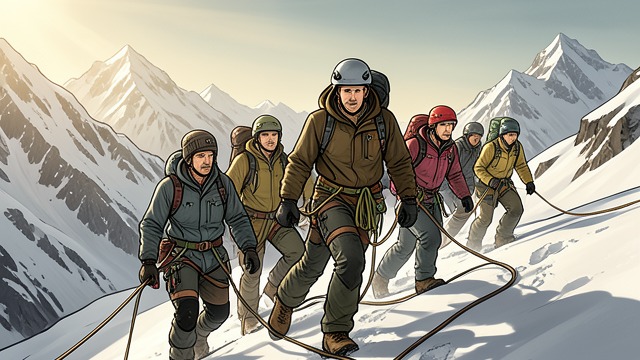
The climbers are drawn to mountains for challenge, beauty, ambition, and a sense of belonging.
Irreducible Risk
The same attraction leads them into an environment where ordinary measures of comfort and control no longer apply.
The Price of Access
The Price of Access
Modern Expedition
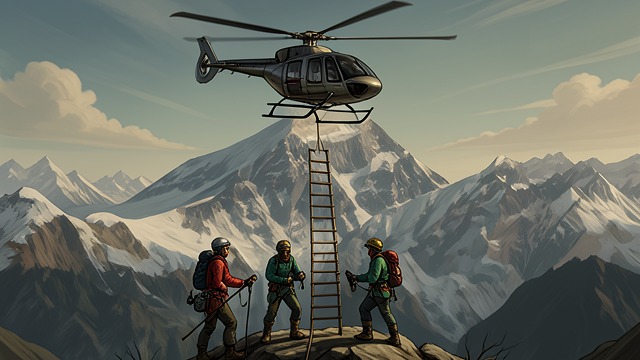
Paid services, oxygen, fixed ropes, camps, and media links make the summit more accessible to clients.
Changed Achievement
The narrative asks whether technology and money have expanded opportunity faster than they have expanded preparedness.
The Human Limit
The Human Limit
Depletion
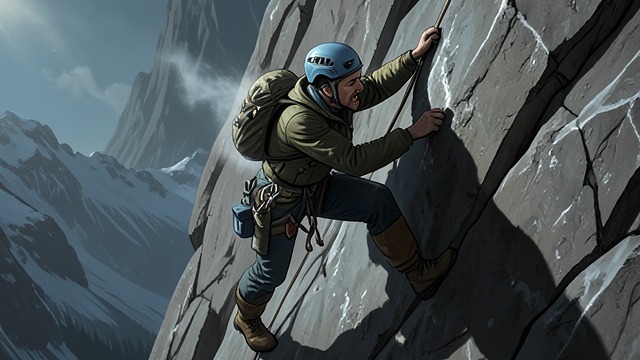
Cold, hypoxia, fatigue, and oxygen shortages erode judgment and movement even among experienced climbers.
Unequal Capacity
The mountain exposes differences that money, confidence, and athleticism cannot erase.
Survival Over the Summit
Survival Over the Summit
Rescue Work
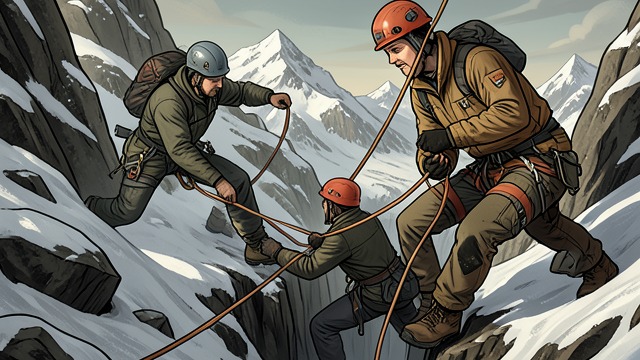
Anatoli Boukreev and other climbers struggle to bring survivors to camp, while some cannot be saved.
Revised Measure
The effort shifts the story’s measure of accomplishment from standing on top to preserving life where possible.
Memory Without Certainty
Memory Without Certainty
Continuing Debate
The participants and writers continue arguing about responsibility, but some motives and decisions remain unknowable.
Humility
The book ends by asking for honest inquiry, respect for the dead, and recognition that the mountain’s final judgment cannot be controlled.
before the 1996 season
March–April 1996
May 10, 1996, in the Death Zone
May 11, 1996
1997–99
